According to Gallup, only about 23% of employees worldwide are engaged at work.
That means nearly eight out of ten people are showing up every day disconnected, disengaged, or simply doing what’s required to get through the day.
If that statistic makes you uncomfortable, it should.
Because culture isn't something that happens by accident. It's not a motivational poster on the wall, a mission statement buried on your website, or an annual employee appreciation lunch.
Culture is what people do when nobody is watching.
And if you're seeing signs like these in your organization:
• People are afraid to admit mistakes.
• Employees are doing the bare minimum and nothing more.
• Every interaction feels transactional.
• Nobody is bringing you ideas.
• Problems aren't discussed until they become crises.
You don't have a performance problem.
You have a culture problem.
And here's the hard truth:
It's your fault.
Not your managers.
Not your employees.
Not the economy.
Not the pressure you're under.
As a leader, culture flows from you. You either intentionally created it, or you were absent long enough for someone else to create it for you.
That may sound harsh, but it's actually good news.
Because if you're responsible for creating the culture, you're also capable of changing it.
You are the variable.
And variables can change.
Culture Starts With Leadership
Many leaders underestimate how much influence they have over the emotional climate of their organization.
Whether you realize it or not, your team is constantly taking cues from you.
If you're stressed, they become stressed.
If you're reactive, they become cautious.
If you're absent, uncertainty fills the void.
People pay far more attention to what leaders do than what they say.
You can talk about collaboration all day long, but if you shut down ideas during meetings, people stop contributing.
You can say mistakes are acceptable, but if someone gets criticized for a failed initiative, everyone else learns to play it safe.
Culture is not built through speeches.
It's built through repeated behaviors.
Every conversation, every decision, every reaction sends a message.
The question is: what message are you sending?
People Need Psychological Safety
One of the most overlooked ingredients of a healthy culture is psychological safety.
In simple terms, people need to feel safe before they can do their best work.
Safe to ask questions.
Safe to challenge assumptions.
Safe to bring up concerns.
Safe to admit mistakes.
Without that safety, people become protective.
They stop taking risks.
They stop innovating.
They stop telling you what's really happening.
And eventually, they stop caring.
The best organizations understand that mistakes are opportunities to learn, not opportunities to blame.
Think about the difference between these two responses:
"Well, you'll know not to do that again."
Versus:
"At least now we know what doesn't work. Let's figure out what we learned."
The words may seem similar.
The impact is completely different.
One creates fear.
The other creates growth.
Over time, those small moments shape the entire culture of an organization.
Recognition Matters More Than You Think
Another common leadership mistake is assuming people know they're appreciated.
Most don't.
People want to feel seen.
Not through elaborate incentive programs or expensive rewards.
They simply want acknowledgment.
A sincere, specific thank you can be one of the most powerful leadership tools available.
Instead of saying:
"Good job."
Try saying:
"I noticed the extra effort you put into solving that customer issue. Your persistence made a real difference."
Specific recognition tells people their contributions matter.
When people feel valued, they naturally look for more ways to contribute.
When they feel invisible, they eventually stop trying.
Culture grows wherever attention goes.
The Hidden Cost of a Poor Culture
Many leaders don't recognize culture problems until they begin affecting results.
By then, the damage is already underway.
Poor culture leads to:
• Higher employee turnover
• Lower productivity
• Reduced innovation
• Increased conflict
• Poor customer experiences
• Difficulty attracting top talent
The most expensive problems in business often start as cultural problems.
The challenge is that culture can be difficult to measure.
Or at least it used to be.
How 10XCoach.ai's AI Culture Coach Helps Organizations Build Stronger Cultures
At 10XCoach.ai, we understand that culture isn't something leaders should have to guess about.
That's why we've developed our AI Culture Coach—an intelligent coaching solution designed to help leaders create healthier, more engaged, and more productive workplaces.
The AI Culture Coach acts like an always-available leadership advisor, helping organizations identify cultural blind spots before they become major issues.
It can help leaders:
• Assess organizational culture health
• Identify engagement challenges
• Improve communication practices
• Strengthen leadership effectiveness
• Encourage accountability and trust
• Create feedback-rich environments
• Develop recognition strategies
• Foster psychological safety
Instead of waiting for annual surveys or exit interviews, leaders gain ongoing insights into the behaviors and habits that shape culture every day.
The result?
More engaged employees.
Stronger leadership.
Better collaboration.
Higher performance.
And ultimately, a workplace where people actually want to contribute.
Culture Is a Daily Decision
Here's what every leader needs to remember:
Culture is not a project.
It's not a checklist.
It's not a one-time initiative.
Culture is a series of decisions you make every single day about how you treat people.
It's how you respond to mistakes.
It's how you recognize effort.
It's how you communicate during difficult moments.
It's how you show up when nobody thinks you're paying attention.
Those choices compound over time.
In one direction, they create fear, disengagement, and mediocrity.
In the other, they create trust, ownership, innovation, and extraordinary performance.
Every organization has a culture.
The question is whether you're intentionally building it or simply allowing it to happen.
Because your people are already responding to the culture you've created.
And if you don't like what you're seeing, that's not bad news.
It's an opportunity.
After all, if culture starts with leadership, then leadership has the power to change it.
And that change starts today. Talk to AI Coach Chelsea Fox at 10XCoach.ai with a 14-day FREE trial to help you create a positive, forward-thinking company and grow.
About the author
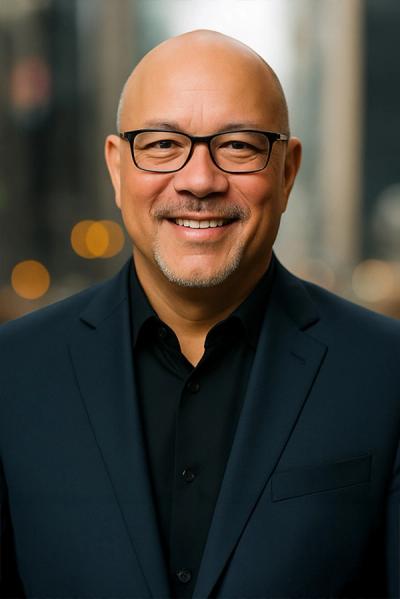
Alan Wozniak, CEC, CIAQP, CIEC — Founder, 10XCoach.ai
Alan Wozniak, CEC, CIAQP, CIEC, is a nationally recognised business architect, executive coach, entrepreneur, and 4-time INC. 5000 CEO with more than 30 years of experience helping business owners accelerate growth, improve profitability, and increase business value. He founded and grew Pure Air Control Services into one of America's fastest-growing companies, achieving 370% growth in four years before successfully leading its acquisition by a Fortune 500 corporation. Today, Alan serves as President of Business Health Matters, an executive coaching firm dedicated to helping business owners build healthier, more profitable, and more valuable companies. He is also the founder of MarketWell Solutions, a done-for-you digital marketing team that provides websites, branding, SEO, CRM automation, AI-powered marketing, and lead generation services for small and mid-sized businesses. In addition, he founded 10XCoach.ai, an innovative AI business coaching platform that combines executive coaching expertise with artificial intelligence to provide business owners with 24/7 strategic guidance and accountability. Alan is the author of the Amazon best-selling book The Small Business BIG EXIT: How to Build a Healthy Small Business and Exit BIG and the forthcoming So You HATE Selling: Here's What To Do Instead, which introduces his proven 7-Step Prescriptive Sales Process™. He is also a Newsweek contributor on business coaching and executive development, a sought-after keynote speaker, and a trusted business strategist whose mission is to help entrepreneurs build stronger companies, create lasting enterprise value, and achieve meaningful long-term success.